
August 10, 2026
Cloud Video Surveillance Systems: What Buyers Get Wrong
The biggest mistakes with cloud video surveillance systems often happen before a single camera is installed.
Organizations may focus on camera count and resolution while overlooking network readiness, storage architecture, cybersecurity, and system integration. Effective video surveillance systems should be selected based on how an organization needs to monitor facilities, retrieve footage, manage users, and respond to events. Looking at the complete technology environment first helps buyers make better long-term decisions.
The Most Common Video Surveillance Procurement Mistakes
One of the most common video surveillance procurement mistakes is choosing cameras before assessing the infrastructure that will support them. Modern IP cameras depend on network connectivity, power, storage, and management platforms, so adding higher-resolution cameras without evaluating those resources can create performance and capacity issues.
Resolution is important, but more is not always better. Higher-resolution video can provide valuable detail, but it also increases bandwidth and storage requirements. Effective video surveillance system selection matches resolution and camera type to the purpose of each location rather than simply choosing the highest specification available.
Organizations also make mistakes when selecting a video management system without evaluating integration capabilities, remote administration, scalability, and cybersecurity. IT should be involved early because today's commercial video surveillance systems are part of the network environment.
The same applies to school surveillance procurement, where districts increasingly need surveillance to work alongside communications, cybersecurity, emergency response, and centralized campus management.
What a Video Surveillance Checklist Should Actually Cover
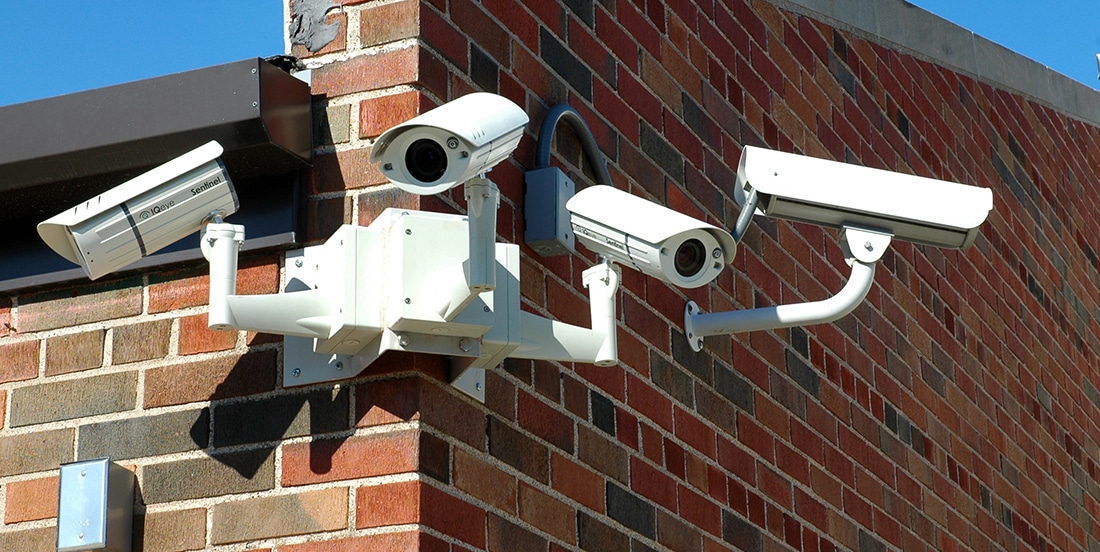
A practical video surveillance checklist should begin with a site assessment. Organizations need to identify entrances, exits, parking areas, corridors, restricted spaces, and other locations requiring visibility while considering lighting, distance, physical obstructions, and camera fields of view.
Next comes network infrastructure for surveillance. Buyers should evaluate bandwidth, PoE switching, cabling, segmentation, and redundancy before determining how many cameras the environment can reliably support.
Storage architecture is equally important. On-premises storage provides direct local control but requires organizations to manage hardware and capacity. Cloud platforms can simplify centralized oversight and remote administration, while hybrid architectures can combine local recording with cloud-based management or analytics.
When choosing a video surveillance system, buyers should also evaluate retention requirements, retrieval speed, camera purpose, VMS scalability, remote access, user permissions, and API compatibility. Visual mapping can help administrators understand camera locations, coverage, and potential gaps, particularly in larger environments.
Finally, integration requirements should be identified before procurement. Access control, emergency communications, and cybersecurity should be part of the system design rather than afterthoughts.
Cybersecurity in Video Surveillance Procurement: The Non-Negotiable
IP cameras are network endpoints. So are recorders, management appliances, gateways, and many other components supporting modern surveillance. That makes cybersecurity a fundamental consideration in video surveillance procurement.
Network segmentation and device authentication should be considered baseline controls. Organizations also need processes for firmware and software updates, secure remote connectivity, administrative permissions, and device lifecycle management.
Cloud environments require particular attention to identity and access management. Remote access is a major advantage of cloud video surveillance systems, especially for organizations operating multiple facilities, but users should only have access to the cameras and capabilities appropriate for their roles. Authentication, account management, permissions, and activity logging all contribute to protecting surveillance resources.
These considerations become especially important in education, healthcare, government, and other environments where organizations may have additional requirements for managing sensitive information.
Eastern DataComm's approach to surveillance cybersecurity considers connected surveillance technology as part of the larger network environment, rather than treating cybersecurity as an optional step after installation.
How Integration Transforms Surveillance from Recording to Response
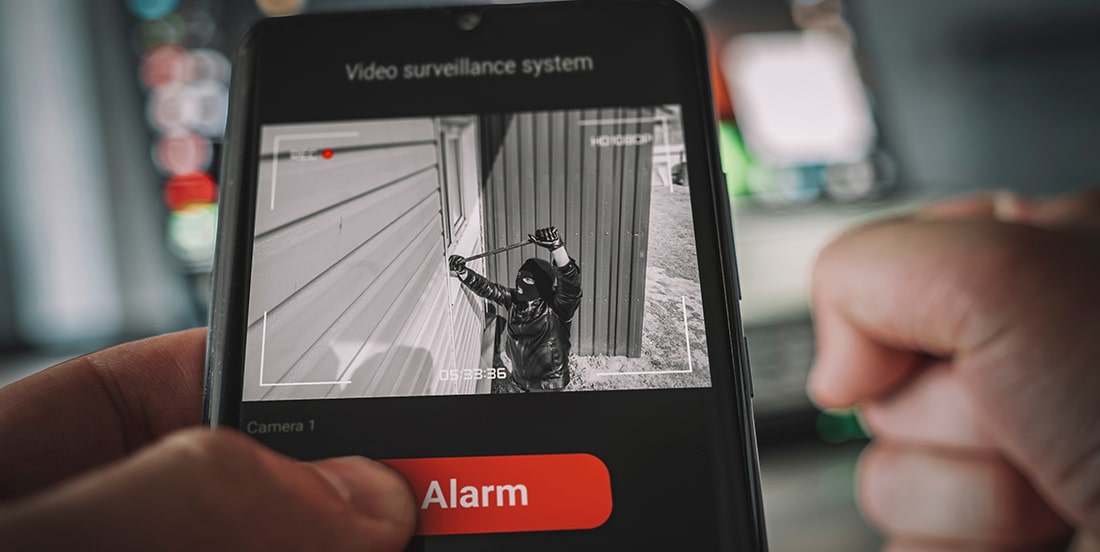
The value of modern surveillance goes beyond recording footage for later review. Integration can help organizations turn video into useful information during an event.
Connecting surveillance with integrated access control, for example, can associate an access event with the camera covering that entrance. This gives authorized personnel visual context without requiring them to search separate systems manually.
Analytics and automated alerts can also help identify activity that meets predefined criteria, reducing the amount of footage operators need to review. Features such as remote access, visual mapping, vehicle recognition, and AI-assisted search can further improve investigation workflows when they address a genuine operational need.
Integration requires planning at the infrastructure level. Networks need adequate capacity, platforms need compatible interfaces, and cybersecurity policies need to account for connected systems. This is where an experienced systems integrator provides value beyond simply supplying cameras.
Eastern DataComm helps organizations evaluate surveillance, networking, cybersecurity, and integration requirements as one connected environment.
Request a consultation to discuss your organization's video surveillance requirements.